

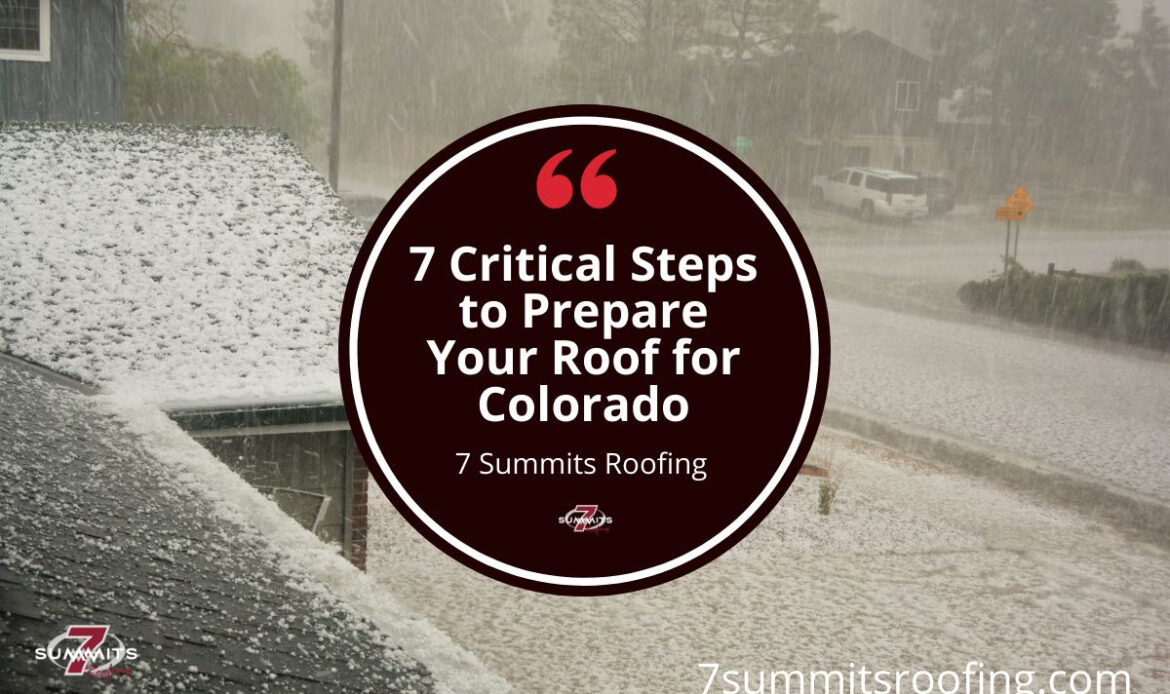
Colorado hail season is not a minor inconvenience. It is a yearly reality for homeowners across the Front Range. In Colorado Springs, powerful spring and summer storms can roll in quickly, bringing high winds, large hail, and heavy rain in a matter of minutes. That is why smart homeowners take steps early to prepare your roof for Colorado before storm season reaches its peak.
Hail season in Colorado is serious business because of how intense and unpredictable our weather patterns can be. Warm air rising along the eastern plains meets cooler air descending from the mountains, creating the perfect environment for severe thunderstorms. These storms often produce hailstones large enough to bruise shingles, crack tile, dent metal roofing, and compromise flashing. Even smaller hail can weaken your roof over time, leaving it vulnerable during the next storm.
The cost of ignoring preparation can be significant. What starts as minor granule loss or a small crack in a shingle can quickly turn into roof leaks, water damage, insulation issues, and even mold growth. Insurance claims for hail damage are common in Colorado, but filing a claim after major damage has already occurred is far more stressful and expensive than taking proactive steps ahead of time. Preventative inspections and small repairs typically cost far less than a full roof replacement caused by neglected storm damage.
Here in Colorado Springs, we often see hail activity increase from late spring through mid summer. Neighborhoods on the north and east sides of the city can be hit particularly hard due to shifting storm paths. Because of our elevation and proximity to the mountains, storms can intensify rapidly. One sunny afternoon can turn into a damaging hail event before dinner. Preparing early means you are not scrambling when the sky turns dark.
If you want to protect your investment and avoid emergency repairs, now is the time to prepare your roof for Colorado hail season. A proactive approach gives you peace of mind, protects your home’s value, and ensures your roof is ready to withstand whatever the next storm brings. In the sections below, we will walk through the exact steps you can take to stay ahead of Colorado’s most damaging weather.
Why You Must Prepare Your Roof for Colorado Hail Season Early
If you live in El Paso County, you already know that hail is not a rare event. Colorado consistently ranks among the top states in the country for hailstorms, and Colorado Springs is often directly in the path of severe weather cells. When meteorologists track storm activity along the Front Range, this region frequently sees multiple hail events each year, some producing stones large enough to cause significant roof damage in just minutes.
Because of this frequency, waiting until you see visible damage is risky. The smartest move is to prepare your roof for Colorado hail season early, before the peak storm months arrive. Spring inspections and preventative maintenance give homeowners time to address minor vulnerabilities before they become insurance claims.
Insurance claim statistics tell the same story. Colorado regularly leads the nation in hail related property claims. After major storm events, thousands of homeowners file claims at once. This creates delays in adjuster visits, longer repair timelines, and increased competition for reputable contractors. If you prepare your roof for Colorado ahead of storm season, you reduce the likelihood of joining that backlog.
One of the biggest problems we see in Colorado Springs is that small issues turn into major claims. A single lifted shingle or weakened flashing point may not seem urgent. However, once hail impacts those already compromised areas, the damage spreads quickly. Granule loss exposes asphalt to UV rays. Micro fractures allow water intrusion. Over time, that can lead to decking rot, attic moisture, and interior ceiling stains. What could have been a simple repair becomes a full roof replacement.
Another reason to prepare your roof for Colorado hail season early is the advantage of working with a local contractor before storms hit. After a large hail event, out of state storm chasers often flood neighborhoods offering quick inspections. While some may be legitimate, many disappear once the job is complete, leaving homeowners with warranty issues or incomplete work.
Choosing a trusted Colorado Springs roofing company before storm season gives you peace of mind. A local contractor understands regional building codes, common hail patterns, and the specific roofing systems used throughout our neighborhoods. They can identify subtle signs of wear that someone unfamiliar with Colorado weather might miss.
Early preparation is about control. You cannot control when the next storm rolls off the mountains, but you can control how ready your roof is when it arrives. Taking proactive steps now means fewer surprises later, faster repairs if needed, and stronger protection for your home and family.
If you want to stay ahead of hail season instead of reacting to it, now is the time to schedule a professional inspection and prepare your roof for Colorado before the next storm cell forms over the Front Range.
What Happens If You Do Not Prepare Your Roof for Colorado Storms
Colorado storms move fast, and hail damage often happens in less than fifteen minutes. If you do not prepare your roof for Colorado storms ahead of time, even a single weather event can create long term structural issues. Many homeowners assume that if they do not see obvious holes or missing shingles, their roof is fine. Unfortunately, hail damage is often subtle at first and becomes expensive later.
Shingle Bruising
One of the most common forms of hail damage in Colorado Springs is shingle bruising. When hailstones strike asphalt shingles, they can cause soft spots beneath the surface. From the ground, everything may look intact. However, the impact weakens the internal mat of the shingle. Over time, these bruised areas crack, split, and deteriorate under Colorado’s intense sun exposure.
If you fail to prepare your roof for Colorado hail season, these weakened shingles are far more likely to fail during the next storm. What started as a minor impact point can turn into exposed underlayment and water penetration.
Granule Loss
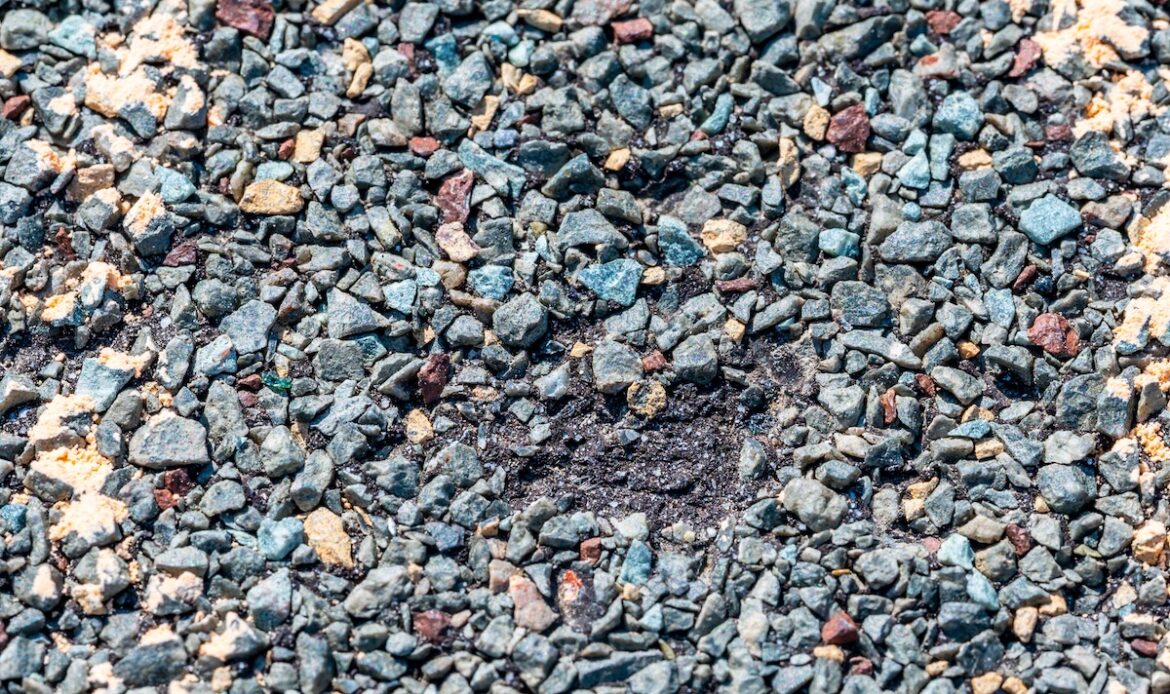
Granules protect asphalt shingles from UV rays and help shed water efficiently. Hail impact knocks these granules loose. You may notice excess granules collecting in your gutters after a storm, which is often the first visible sign of damage.
When you do not prepare your roof for Colorado weather, small areas of granule loss expand quickly. Without that protective layer, shingles age faster, dry out, and become brittle. Colorado’s high altitude sun accelerates this process. Over time, this leads to shortened roof lifespan and premature replacement.
Flashing Damage
Flashing around chimneys, skylights, roof valleys, and vent penetrations is especially vulnerable during hailstorms. Even small dents can create separation points where water can enter. Strong winds combined with hail can also loosen or dislodge flashing entirely.
If these areas were already slightly loose before the storm, the impact is worse. That is why it is so important to prepare your roof for Colorado before severe weather hits. Reinforcing flashing and sealing vulnerable penetrations reduces the chance of storm driven leaks.
Hidden Leaks and Interior Damage
The most expensive consequence of failing to prepare your roof for Colorado storms is hidden water intrusion. Hail damage does not always cause immediate dripping ceilings. Instead, moisture can slowly seep into the decking and attic space.
Over weeks or months, this leads to insulation damage, wood rot, mold growth, and ceiling stains. By the time visible signs appear inside your home, the repair cost is significantly higher. In some cases, homeowners discover damage only when they attempt to sell their property and an inspection uncovers underlying issues.
Colorado’s storm patterns are not going away. The question is not whether hail will hit again, but when. Choosing not to prepare your roof for Colorado storms increases the likelihood of preventable damage and costly insurance claims. Proactive inspections and minor repairs today can save thousands in restoration expenses tomorrow.
If you are unsure about your roof’s current condition, this is the ideal time to schedule a professional roof inspection in Colorado Springs and make sure your home is ready before the next round of Colorado hail arrives.
7 Steps to Prepare Your Roof for Colorado Hail Season
If you want to fully prepare your roof for Colorado hail season, you need more than luck and good intentions. You need a clear plan. The following seven steps are what we recommend to homeowners across Colorado Springs before peak storm activity begins.
1. Schedule a Professional Roof Inspection
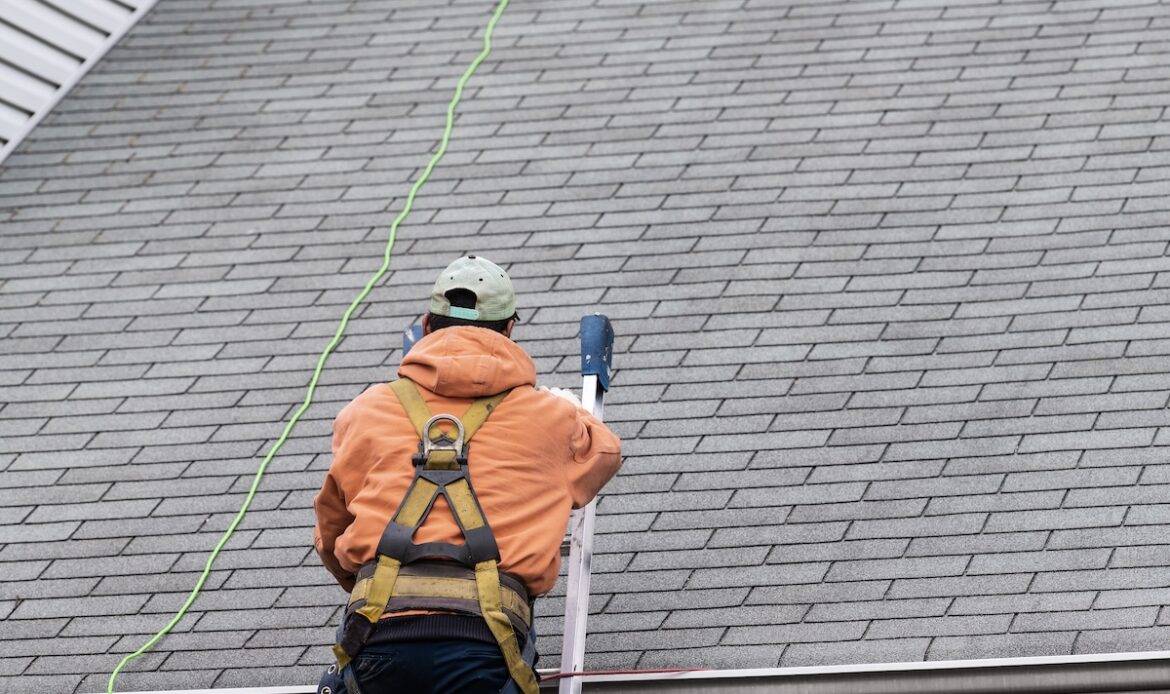
The most important step to prepare your roof for Colorado weather is scheduling a professional inspection. Many homeowners attempt a quick visual check from the ground or climb a ladder to look for obvious issues. While that may seem helpful, DIY inspections often miss subtle damage.
Roofing professionals are trained to identify early signs of shingle bruising, granule loss, soft decking, lifted edges, and compromised flashing. They understand how Colorado hail typically impacts different roof slopes and materials. A professional inspection includes checking high impact zones, ridge caps, valleys, and roof penetrations where leaks are most likely to begin.
DIY inspections also carry safety risks. Colorado roofs can be steep, especially in newer subdivisions and custom homes. Slips and falls are common. Hiring a trusted local roofing contractor ensures your roof is evaluated thoroughly and safely.
If you want to properly prepare your roof for Colorado hail season, a professional inspection is the foundation of everything else.
2. Replace Damaged or Missing Shingles
Even one missing or cracked shingle can create a weak point during a hailstorm. Wind uplift, which is common during Colorado thunderstorms, can catch under loose shingles and tear them away. Once underlayment is exposed, hail impact becomes much more destructive.
When you prepare your roof for Colorado conditions early, replacing damaged shingles prevents small problems from becoming large sections of missing roofing material after a storm.
Professionals also identify hail impact zones. These are areas of the roof that historically receive more direct hail strikes based on slope orientation and wind direction. Addressing those vulnerable areas before peak storm season significantly reduces the chance of widespread damage.
3. Check Flashing and Roof Penetrations
Flashing is one of the most overlooked but critical components when you prepare your roof for Colorado hail season. Chimneys, vent pipes, skylights, and roof valleys are natural weak points. These areas experience constant expansion and contraction due to temperature swings, which are common in Colorado Springs.
Loose or improperly sealed flashing allows water to penetrate beneath shingles. During a hailstorm, heavy rain follows impact damage, which quickly exposes these vulnerabilities.
Inspecting and resealing flashing, tightening fasteners, and reinforcing penetrations ensures your roof remains watertight when storms intensify.
4. Clean and Secure Gutters
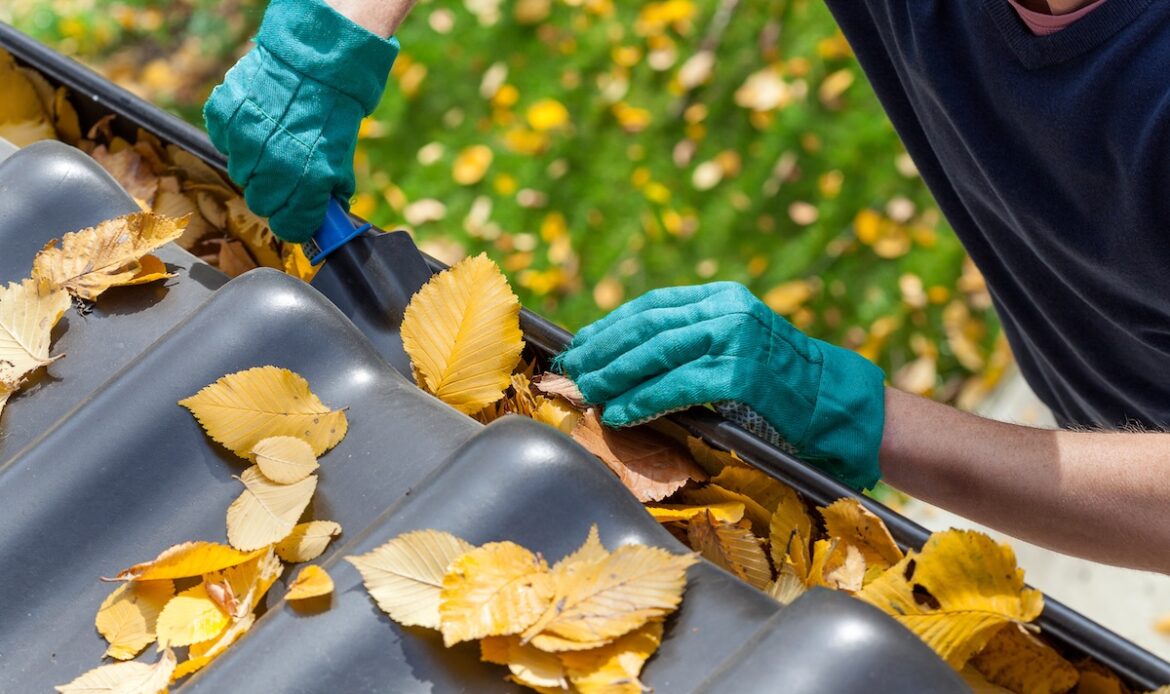
Proper drainage is essential to prepare your roof for Colorado storm runoff. Gutters filled with leaves, pine needles, and debris cannot move water efficiently. During hail events, melting ice combined with heavy rain can overwhelm clogged gutters.
When water backs up, it can seep under shingles and along fascia boards. Over time, this leads to wood rot and structural damage.
Cleaning gutters and securing loose sections allows water and hail runoff to move away from your home effectively. This simple step reduces stress on your roofing system during severe weather.
5. Trim Overhanging Trees
Trees add beauty and shade to your property, but overhanging branches can cause significant roof damage during Colorado storms. High winds combined with hail increase the likelihood of branches breaking and striking your roof.
Even smaller branches can scrape away protective granules or crack shingles. Debris accumulation in valleys and gutters also traps moisture.
When you prepare your roof for Colorado hail season, trimming branches away from the roofline reduces impact risk and improves overall drainage.
6. Review Attic Ventilation and Insulation
Most homeowners do not think about their attic when they prepare your roof for Colorado storms, but it plays a critical role in protecting your home.
Proper ventilation helps regulate temperature and moisture levels. Without adequate airflow, trapped moisture can weaken decking and create mold growth. During hailstorms, small amounts of water intrusion may occur around penetrations. Good insulation and ventilation prevent that moisture from lingering and causing structural damage.
Checking attic conditions before hail season ensures your entire roofing system, not just the exterior surface, is prepared for storm stress.
7. Document Your Roof Condition for Insurance
One of the smartest steps you can take to prepare your roof for Colorado hail season is documentation. Take clear, time stamped photos of your roof from multiple angles. Include close ups of shingles, flashing, gutters, and any recent repairs.
Why does this matter? If a major hailstorm hits your Colorado Springs neighborhood, insurance adjusters will assess damage after the event. Having documented proof of your roof’s pre storm condition strengthens your claim and helps prevent disputes about prior wear and tear.
Professional roofing contractors can also provide inspection reports that serve as valuable documentation. This proactive step gives you leverage and clarity if you ever need to file a claim.
Taking these seven steps now allows you to prepare your roof for Colorado hail season with confidence. Storms are inevitable along the Front Range. Major damage is not. Proactive preparation is the difference between a quick inspection and an expensive emergency repair.
Best Roofing Materials to Withstand Colorado Hail
If you truly want to prepare your roof for Colorado hail season, material choice matters. Not all roofing systems perform the same under impact. In a state that consistently experiences severe hailstorms, investing in durable, impact resistant materials can significantly reduce future repairs and insurance claims.
Here are the top roofing materials we recommend for Colorado Springs homeowners who want long term protection.
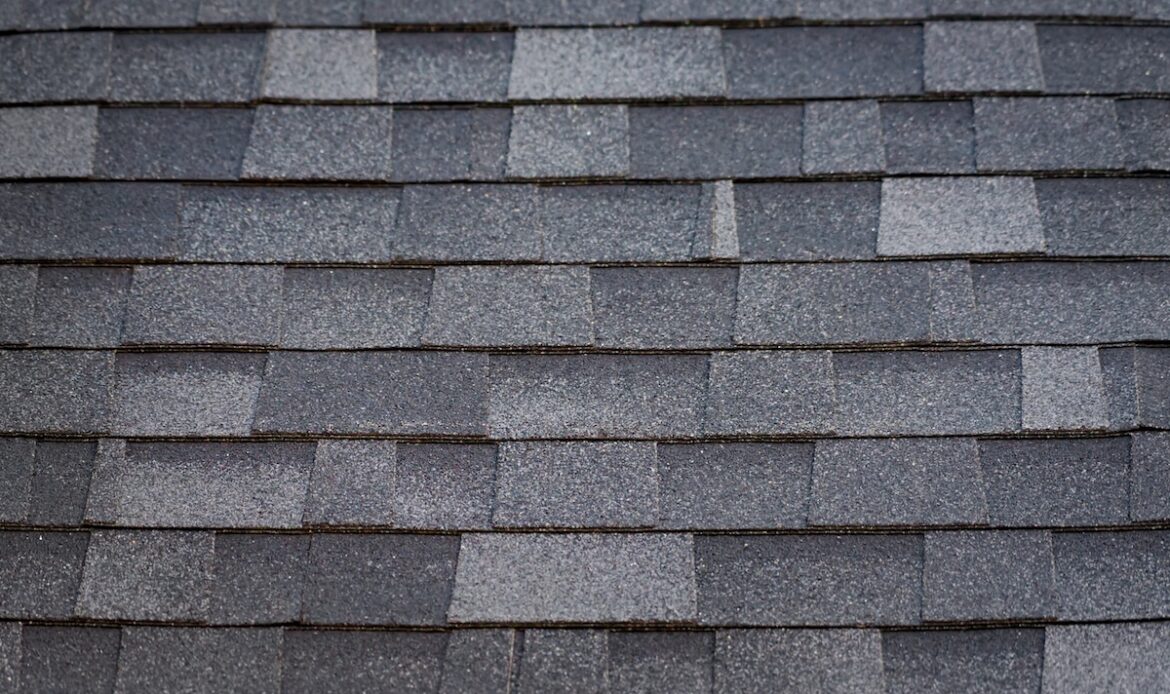
Class 4 Impact Resistant Shingles
Class 4 shingles are widely considered the gold standard for asphalt roofing in hail prone regions. These shingles undergo rigorous impact testing and are designed to withstand simulated hail strikes without cracking. According to the National Roofing Contractors Association, impact resistant roofing materials can significantly reduce storm related damage when properly installed.
When you prepare your roof for Colorado conditions with Class 4 shingles, you are adding an extra layer of defense against shingle bruising and granule loss. These shingles often include reinforced mats and rubberized polymers that absorb impact energy more effectively than standard asphalt shingles.
Another major benefit is insurance savings. Many insurance companies offer premium discounts for homes equipped with Class 4 impact resistant shingles because they reduce claim frequency. Over time, those savings can help offset the initial upgrade cost.
For Colorado Springs homeowners looking for a balance of affordability and durability, Class 4 shingles are often the most practical solution.
Metal Roofing
Metal roofing performs exceptionally well in hailstorms when installed correctly. Steel and aluminum panels are highly durable and resistant to cracking. While cosmetic denting can occur during extremely large hail events, metal roofing typically maintains its structural integrity.
If you are planning a long term investment and want to prepare your roof for Colorado’s unpredictable weather, metal roofing is worth considering. It also performs well against high winds, heavy snow loads, and rapid temperature fluctuations common along the Front Range.
Metal roofing systems can last 40 to 70 years depending on the material and maintenance. That longevity makes them attractive for homeowners planning to stay in their property long term.
Tile Roofing
Tile roofing, including concrete and clay tile, is popular in many Colorado Springs neighborhoods. Tile offers strong resistance to UV exposure and can perform well against moderate hail. However, large hailstones can crack individual tiles.
The advantage is that individual tiles can often be replaced without replacing the entire roof. When you prepare your roof for Colorado hail season with tile, regular inspections are essential to identify cracked tiles early before water intrusion occurs.
Tile roofing also adds curb appeal and can increase property value, but proper underlayment and installation are critical to ensure long term performance.
Long Term Return on Investment
When deciding how to prepare your roof for Colorado hail season, it is important to look beyond the upfront cost. Consider lifespan, maintenance requirements, insurance discounts, and overall durability.
Upgrading to impact resistant materials may cost more initially, but it often reduces repair frequency and extends roof life. In a region like Colorado Springs where hail events are common, that investment can deliver strong long term value.
Choosing the right roofing system is not just about surviving one storm. It is about building resilience for the next decade and beyond. A trusted local roofing contractor can help evaluate your current roof and recommend the best material options based on your home’s design, budget, and long term goals.
If you are unsure which material is right for your home, now is the perfect time to schedule a consultation and prepare your roof for Colorado hail season with confidence.
When to Call a Colorado Springs Roofing Company
Knowing how to prepare your roof for Colorado hail season is important. Knowing when to call a professional is just as critical. Many homeowners wait too long, hoping minor damage will not worsen. In Colorado Springs, that delay can be costly.
Here is when you should contact a trusted local roofing company.
Signs of Existing Damage
Before hail season even begins, visible wear can signal vulnerability. Curling shingles, cracked tabs, exposed nail heads, and loose flashing all indicate your roof may already be compromised.
You might also notice granules collecting in your gutters or downspouts. That is often a sign your shingles are aging and losing their protective surface. Dark spots or soft areas on the roof can point to shingle bruising from past storms.
Inside your home, warning signs include water stains on ceilings, peeling paint near rooflines, or musty smells in the attic. These are not issues to ignore. If you see any of these indicators, it is time to call a professional and fully prepare your roof for Colorado storms before the next hail event hits.
Post Storm Red Flags
After a hailstorm moves through Colorado Springs, inspect your property safely from the ground. Look for dents in gutters, downspouts, or metal vents. Check for shingle pieces in the yard. Examine siding and window screens for impact marks.
Even if everything looks fine, hidden damage is common. Hail can bruise shingles without tearing them off. That internal damage may not show immediate symptoms but can shorten your roof’s lifespan significantly.
If your neighborhood was hit hard, scheduling a post storm inspection is a smart move. A local roofing contractor can identify impact damage, document findings for insurance, and recommend necessary repairs. Acting quickly helps prevent secondary damage from follow up rainstorms.
If you want to properly prepare your roof for Colorado weather patterns, professional evaluation after severe weather is part of the plan.
Why Local Matters
Colorado’s building codes, climate conditions, and storm patterns are unique. Working with a local Colorado Springs roofing company gives you several advantages.
Local contractors understand how Front Range storms develop and how hail typically affects different roof slopes and materials. They are familiar with regional code requirements and permitting processes. They also have established relationships with local suppliers, which can reduce delays if materials are needed.
After major storms, out of state companies often canvass neighborhoods offering quick inspections. While some may provide legitimate services, others disappear once payment is collected. Choosing a trusted local contractor ensures accountability, warranty support, and long term service.
When you prepare your roof for Colorado hail season, having a reliable Colorado Springs roofing partner already on your side makes the entire process smoother.
If you notice damage, suspect hidden issues, or simply want peace of mind before storm season peaks, now is the time to act. Get a free, no pressure roof inspection today and make sure your home is ready before the next Colorado hailstorm rolls in.
FAQs About Preparing Your Roof for Colorado Hail
When is hail season in Colorado?
Hail season in Colorado typically runs from late April through August, with peak activity occurring between May and July. In Colorado Springs, storms often build in the afternoon and evening as warm air rises along the Front Range. While hail can occur outside these months, late spring and early summer are when homeowners should be most focused on how to prepare your roof for Colorado storm activity.
The key is not waiting until storms are already in the forecast. Scheduling inspections and maintenance in early spring gives you time to address issues before severe weather intensifies.
How often should I inspect my roof?
At minimum, homeowners should have their roof professionally inspected once per year. In a hail prone region like Colorado Springs, it is also wise to schedule an inspection after any major hailstorm.
If you want to properly prepare your roof for Colorado weather patterns, annual inspections help identify minor wear before it becomes structural damage. Roofs that are 10 years or older may benefit from more frequent evaluations.
Regular inspections extend the life of your roof and reduce the likelihood of emergency repairs during peak storm season.
Does insurance cover hail damage?
In most cases, standard homeowner insurance policies cover hail damage. However, coverage depends on your specific policy terms, deductible, and proof of storm related damage.
This is another reason it is important to prepare your roof for Colorado hail season in advance. Documenting your roof’s condition before storms occur makes it easier to demonstrate new damage after an event. A professional inspection report can strengthen your insurance claim and reduce disputes over pre existing wear and tear.
Always review your policy annually and confirm your deductible before hail season begins. The Colorado Division of Insurance provides helpful guidance on understanding homeowner hail coverage and claim rights.
What are Class 4 shingles?
Class 4 shingles are impact resistant roofing materials that have passed the highest level of impact testing under UL 2218 standards. These shingles are designed to withstand simulated hail strikes without cracking.
Many Colorado Springs homeowners choose Class 4 shingles to better prepare your roof for Colorado hail events. They often qualify for insurance discounts and offer improved durability compared to standard asphalt shingles.
While no roofing material is completely hail proof, Class 4 shingles provide enhanced protection and longer performance in hail prone areas.
How long does hail damage take to show up?
Some hail damage is visible immediately, such as cracked shingles or dented metal components. Other damage can take weeks or even months to become apparent.
Bruised shingles may not leak right away. Instead, they weaken over time under UV exposure and repeated weather cycles. Eventually, cracks form and allow water intrusion.
If you want to fully prepare your roof for Colorado storms, do not rely solely on what you can see from the ground. A professional inspection can identify hidden damage before it turns into interior water problems.
Conclusion
Colorado hail season is not a matter of if, but when. From shingle bruising and granule loss to flashing damage and hidden leaks, storm impact can escalate quickly. The good news is that homeowners who take proactive steps dramatically reduce their risk.
When you prepare your roof for Colorado hail season early, you protect your home’s structure, extend your roof’s lifespan, and avoid costly emergency repairs. Annual inspections, minor repairs, impact resistant materials, and proper documentation all work together to create a stronger defense against severe weather.
You cannot control the next storm system moving over Pikes Peak. You can control how prepared your roof is when it arrives.
Do not wait until you see ceiling stains or missing shingles. Protect your home before the next storm hits.
Get a free, no pressure roof inspection from 7 Summits Roofing today. Call now or request your quote online and prepare your roof for Colorado hail season with confidence.